Our Location
1103A Tianhui Building, Yeqin 1st Road, Longcheng Street, Shenzhen, Guangdong, China
1103A Tianhui Building, Yeqin 1st Road, Longcheng Street, Shenzhen, Guangdong, China
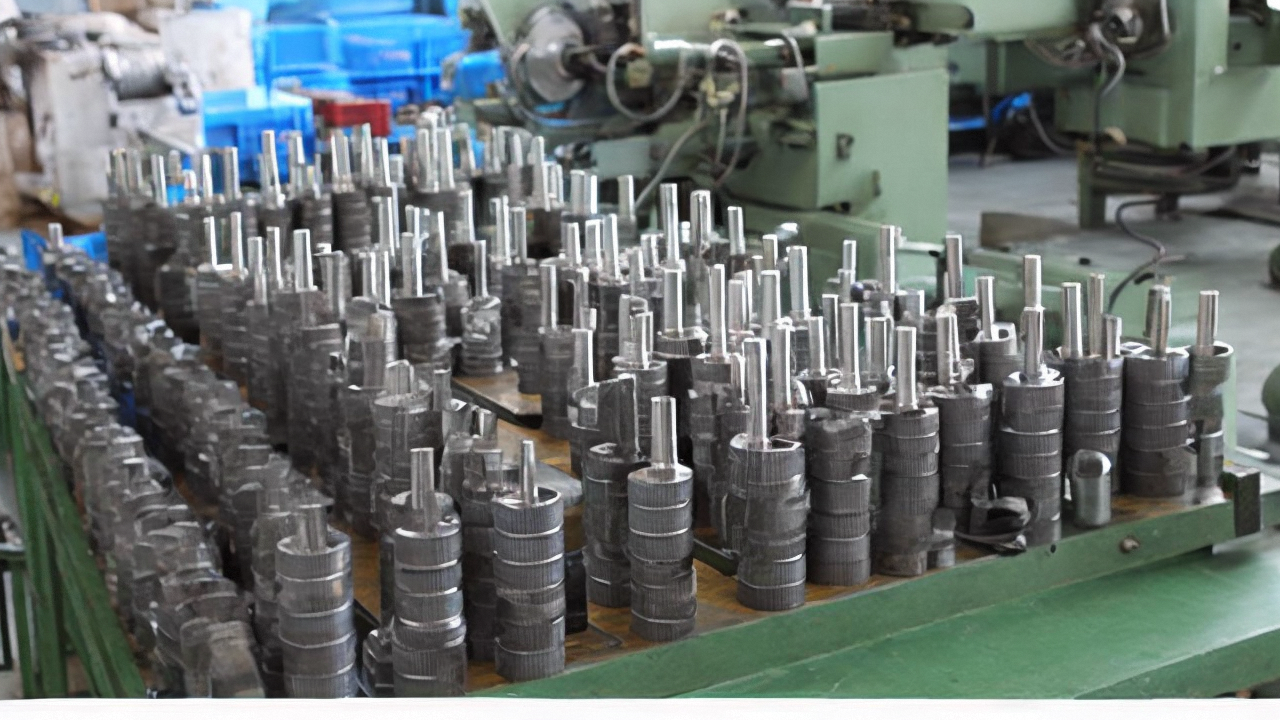
Stepper motors are widely used in industrial automation, office equipment, CNC machinery, and precision instruments. However, many users encounter a common issue during operation: a squealing or harsh noise. This not only affects the machine’s performance but can also shorten the motor’s lifespan.
In this blog, we’ll analyze the main reasons behind stepper motor noise and provide practical solutions to help you maintain smooth and reliable performance.
Stepper motor noise can generally be categorized into two major causes:
When the motor operates, magnetic forces inside the stator and rotor generate vibrations that result in noise. This can be influenced by:
Mechanical components inside the motor may also cause noise:
Raising the voltage slightly—without exceeding the rated value—helps the motor run more smoothly, reducing vibration and noise. Avoid excessive voltage to prevent overheating.
Using higher microstepping (e.g., 1/8, 1/16) can reduce resonance and vibration. Lower microstepping modes (e.g., 1/4) often cause louder noise.
Check and tighten all components: driver board, timing belts, pulleys, and couplings. Replace worn parts (especially bearings and gears) to maintain stable operation.
Adding rubber pads or vibration dampers at the motor base reduces structural resonance and noise. Choose dampers based on motor size and weight.
If the motor has severe internal defects, replacement may be the best solution. Always select the right NEMA stepper motor size for your application.
Stepper motors are categorized by NEMA frame sizes, which define the motor’s faceplate dimensions:
Choosing the right NEMA frame ensures proper torque, stability, and performance for your specific application.
Stepper motor squealing noise often originates from magnetic resonance, driver misconfiguration, or mechanical wear. By adjusting voltage, fine-tuning microstepping, maintaining the transmission system, and adding vibration dampers, you can significantly reduce noise and extend motor life.
If the problem persists, consult with a stepper motor supplier or consider upgrading to a more advanced driver solution.
If you are new to stepper motors, you may also find it helpful to read What Is a Stepper Motor for a basic definition and overview.
For industrial applications and product options, you can explore our Stepper Motor solutions designed for CNC, robotics, and automation systems.
If you are selecting a motor for CNC, robotics, or industrial automation, our Stepper Motor product category offers a wide range of options including NEMA and closed loop stepper motors.